Featured Radio Interviews
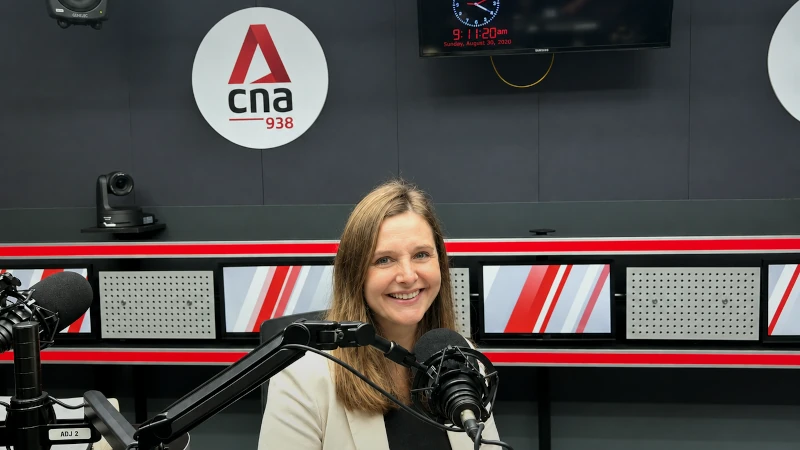
From Our Shores to the World: Echoes of the Bay
Expert interview with Susan Ng on Your Singapore Weekend, CNA938, Singapore
In an expert interview on CNA938’s Your Singapore Weekend with Susan Ng, Associate Professor Natalia Grincheva discussed Echoes of the Bay—a groundbreaking, student-led VR project co-created for Singapore’s 60th anniversary. As Programme Leader of the BA Arts Management at LASALLE, Dr. Grincheva highlighted how the project evolved into an immersive movement celebrating migration, arrival, and superdiversity through interactive “story-living.”
The initiative enabled community members—including poets, theatre-makers, and archivist groups—to build personalized 3D virtual boats and record oral histories of belonging in virtual reality. Mentored by Dr. Grincheva and alumnus artist Benedict Yu, five student producers facilitated over 60 VR sessions and navigated complex real-world production logistics, transforming abstract recollections into a living archive of born-digital folklore. Featured at major cultural events like the Singapore Night Festival and Singapore Design Week, the project expanded its global footprint through international invitations, including the Campus Exhibition at Ars Electronica in Linz, Austria. In her interview, Dr. Grincheva underscored that arts management is an act of creative leadership and cultural stewardship, demonstrating how immersive digital tools can reclaim communal meaning-making and connect deeply local heritage with universal human experiences on the world stage.
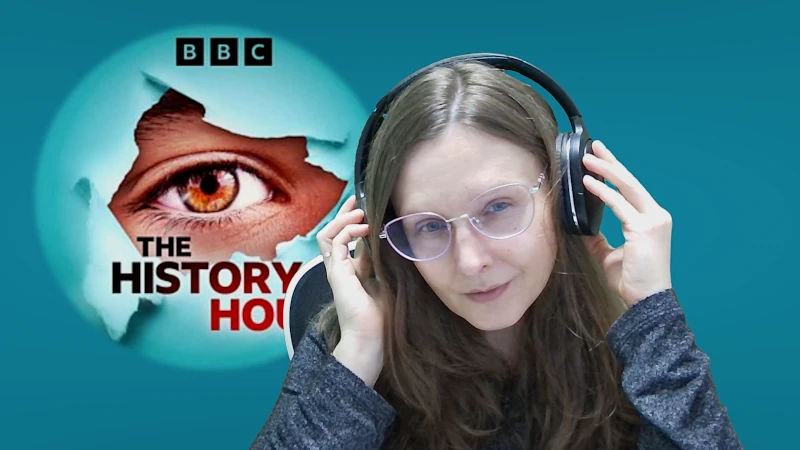
Saxophone Diplomacy and Bulletproof Vests
Expert guest analysis with Max Pearson on The History Hour, BBC World Service
[Segment: mins 9:45–14:15]
In the July 2025 edition of the BBC World Service's The History Hour, host Max Pearson wove together five landmark Witness History interviews: Bill Clinton's saxophone serenade in Prague, India's first female anthropologist Irawati Karve, the tragic shooting of Jean Charles de Menezes, the invention of Kevlar, and the Broadway premiere of A Chorus Line. Within this mosaic of human stories, Natalia Grincheva delivered a focused masterclass in soft power.
Her intervention distilled centuries of diplomatic practice into a single, compelling thesis: the right cultural gesture consistently outpaces formal state negotiations. Drawing on her own Fulbright journey and her cutting-edge research on BTS and K-pop fandoms, she revealed how grassroots activism, visual arts, and cross-cultural gifts forge bonds that formal sanctions cannot break. Her commentary transformed the programme's lighter moments into profound lessons on how music, culture, and networked fan communities reshape international relations—proving that cultural diplomacy is not an ornamental footnote, but a formidable global force.


